
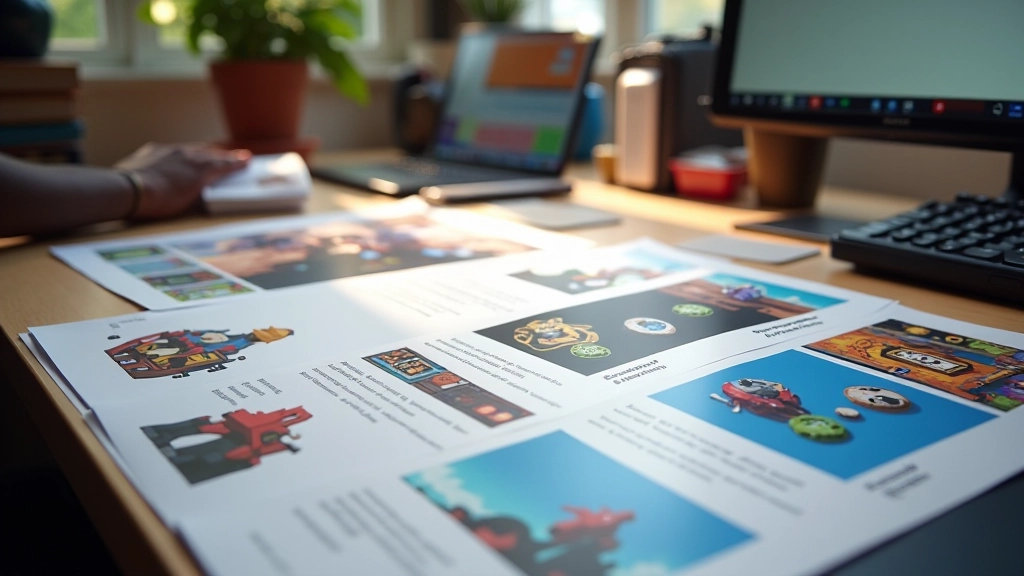
Your game’s ready to ship. The builds are stable, the store pages are prepared, and your team’s excited. But here’s the thing — launching without a proper marketing push is like opening a restaurant with no signage. You might have something great, but nobody knows it exists.
Marketing isn’t just about flashy trailers and paid ads. It’s about creating genuine interest, building a community around your game, and timing everything so you’ve got momentum rolling into launch day. We’re going to walk through the strategies that actually work.
Build Your Press Kit Properly
A press kit is your introduction to journalists, streamers, and content creators. It’s not fancy — just well-organized. You’re giving them everything they need to talk about your game without having to ask you questions.
What goes in? Game description (2-3 sentences max), key features as bullet points, screenshots at 1920×1080 resolution, a short gameplay video clip (30-60 seconds), developer bios, and your contact info. That’s it. Make sure the description’s actually interesting — don’t just list mechanics. Say what makes your game feel different.
Store it somewhere accessible. Google Drive folder with everything organized by category works fine. Include a one-page PDF version too. When someone reaches out interested in covering your game, you’ve got everything ready to send in five minutes instead of scrambling to gather assets.
Press Kit Essentials
- 2-3 sentence game description highlighting what’s unique
- 5-8 key features as clear bullet points
- 10-15 screenshots at 1920×1080 minimum
- 30-60 second gameplay video clip
- Developer/studio background (100-150 words)
- Genre, platform, and release date info
- Your email and social media handles
Strategic Influencer Outreach
Not all streamers are created equal. You don’t need the biggest names — you need the right fit. Someone with 50,000 engaged followers in your genre beats someone with 500,000 who doesn’t care about your type of game.
Start by identifying creators who’ve played similar games. Watch a few of their streams. Do they seem genuinely interested in the mechanics? Do their audiences interact well? That’s your target list. When you reach out, mention something specific about their content. “I loved your playthrough of Game X because you focused on the story mechanics, and our game does something similar” beats generic templated messages.
Offer them an early build 2-3 weeks before launch. No strings attached. Some will play it, some won’t. But if they do and they enjoy it, that’s authentic coverage worth more than a paid ad. Their audience trusts them, so if they recommend your game, people actually listen.
“We sent 50 review copies. Maybe 10 creators actually played it. Of those 10, three made videos. But those three videos drove 40% of our first-week sales. It’s not about the quantity — it’s about finding people who genuinely like what you’ve made.”
— Marcus Thornton, Director of Publishing Operations
Timing Your Announcements
The announcement calendar matters more than you’d think. You’re not just dropping everything on launch day and hoping for the best.
Start with a soft announcement 8-10 weeks out. Wishlist page goes live, you announce the date, maybe share some early footage. This isn’t the big marketing push — it’s just letting people know the game exists. Over the next month, release developer diaries, behind-the-scenes content, design deep-dives. Keep it spaced out. One piece of content every 7-10 days.
Around 4-6 weeks before launch, kick up the intensity. This is when you’re sending review copies, doing interviews, getting streamers early access. Release a trailer — something that shows gameplay, not just cinematics. People want to see what they’re actually getting.
The final two weeks? You’re basically everywhere. Social media posts every couple days, maybe a livestream showing off the game, reminders to wishlist. Then launch day hits and you’ve already got momentum.
Your Marketing Timeline
Soft Announcement
Release date reveal, wishlist page goes live, teaser trailer
Build Interest
Developer diaries, behind-the-scenes content, design articles
Intensify Campaign
Send review copies, influencer outreach, interviews, gameplay trailer
Final Push
Daily social posts, launch livestream, constant reminders
Go Live
Game releases with full momentum and media coverage
Related Articles



Getting to Launch Day Ready
Marketing your game release isn’t complicated, but it does require planning. You need a press kit that’s actually useful, you need to find creators who genuinely fit your game, and you need a timeline that builds momentum instead of rushing everything into the last week.
The games that succeed on launch day aren’t always the ones with the biggest budgets. They’re the ones with clear messaging, authentic connections to creators and journalists, and announcements timed so there’s genuine excitement when people can actually buy the game.
Start planning now. Get your press kit together. Make your list of creators who’d actually be interested. Map out when you’re announcing what. Then execute it consistently. That’s the difference between a launch that fizzles and one that actually gets people talking.
Disclaimer
This article is educational information about game marketing strategies. While these approaches are based on industry experience and successful launches, individual results will vary depending on your game’s genre, target audience, budget, and market conditions. This isn’t marketing advice for your specific situation — consider consulting with experienced marketing professionals who understand your particular game and goals. Market dynamics change, platform policies evolve, and what works for one game may not work the same way for another.